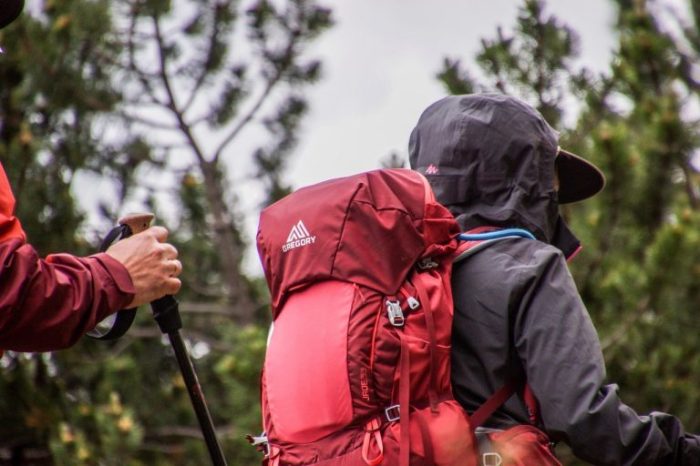
Embark on a journey of safety and adventure with our Backpacking travel safety tips. From essential items to emergency preparedness, we’ve got you covered for a worry-free trip!
Learn how to blend in, stay healthy, and handle emergencies like a pro. Get ready to pack your bags and explore the world with confidence!
Introduction to Backpacking Travel Safety Tips
When it comes to backpacking, safety should always be a top priority. Having the right safety tips can make a significant difference in ensuring a smooth and enjoyable journey while minimizing risks.
Statistics show that backpackers often face common safety issues such as theft, getting lost, accidents, and health concerns. Being aware of these risks can help travelers take preventive measures to protect themselves.
Embarking on a backpacking trip with proper safety tips and knowledge can offer numerous benefits. It can enhance preparedness, reduce anxiety, and increase confidence in handling unexpected situations that may arise during the journey.
Common Safety Issues Faced by Backpackers
- Loss of belongings due to theft or carelessness
- Getting lost in unfamiliar locations
- Accidents or injuries while trekking or exploring
- Health concerns such as food poisoning or insect bites
General Safety Tips for Backpacking Travel
When embarking on a backpacking trip, safety should be a top priority to ensure a smooth and enjoyable journey. Here are some essential safety tips to keep in mind:
Essential Items to Pack for Safety
- First aid kit with basic supplies such as bandages, antiseptic wipes, and pain relievers.
- Emergency whistle and flashlight for signaling and navigating in low-light conditions.
- Water purification tablets or a portable filter to ensure access to clean drinking water.
- Multi-tool or knife for various tasks and emergencies.
- Emergency shelter, such as a lightweight tent or emergency blanket.
Researching Destinations for Safety Concerns
Researching your destinations before setting out is crucial for staying safe while backpacking. Look into potential safety concerns such as political instability, natural disasters, or high crime rates in the area. Stay informed and make informed decisions to minimize risks.
Informing Someone About Your Itinerary
Before heading out on your backpacking adventure, make sure to inform a trusted friend or family member about your itinerary. Provide details of your planned route, accommodation bookings, and any other relevant information. This way, someone will know where you are supposed to be and can raise an alarm if you do not check in as expected.
Personal Safety Tips for Backpacking Travel
When backpacking, personal safety is paramount to ensure a smooth and enjoyable journey. Here are some tips to help you stay safe while exploring new destinations:
Blend in with the Locals
One of the best ways to avoid drawing unwanted attention is to blend in with the locals. This means dressing modestly and adapting to the local customs and culture. Avoid wearing flashy jewelry or expensive clothing that may make you a target for theft.
Trust Your Instincts and Stay Aware
It’s essential to trust your instincts and stay aware of your surroundings at all times. If something feels off or unsafe, remove yourself from the situation. Pay attention to your gut feelings and don’t ignore any warning signs.
Handle Money and Valuables Discreetly
When backpacking, it’s crucial to handle your money and valuables discreetly to avoid theft. Consider using a money belt or hidden pocket to store your cash and important documents. Avoid flaunting large amounts of money or expensive gadgets in public.Stay vigilant and prioritize your safety while backpacking to ensure a memorable and secure travel experience.
Health and Wellness Tips for Backpacking Travel
When embarking on a backpacking adventure, it is crucial to prioritize your health and wellness to ensure a safe and enjoyable trip. Here are some essential tips to keep in mind:
Packing Necessary Medications and First Aid Supplies
It is vital to pack any prescription medications you may need during your trip, along with a basic first aid kit. Include items such as bandages, antiseptic wipes, pain relievers, and any other necessary medications for allergies or chronic conditions. Being prepared can help you address minor health issues quickly and prevent them from escalating.
Staying Hydrated and Maintaining Personal Hygiene
While backpacking, it’s easy to get caught up in the excitement of exploring new places and forget to take care of yourself. Make sure to drink plenty of water throughout the day to stay hydrated, especially in hot climates or during strenuous activities. Additionally, prioritize personal hygiene by washing your hands regularly, taking showers when possible, and changing into clean clothes to prevent infections.
Getting Travel Insurance for Medical Emergencies
One of the most important aspects of health and wellness while backpacking is being prepared for unforeseen medical emergencies. Consider investing in travel insurance that covers medical expenses, including emergency evacuation or hospitalization. This added layer of protection can give you peace of mind and ensure you receive the necessary care in case of an unexpected health issue during your trip.
Emergency Preparedness Tips for Backpacking Travel
When embarking on a backpacking adventure, it’s crucial to be prepared for any unexpected situations that may arise. Here are some essential tips for ensuring your safety in case of emergencies:
Create an Emergency Contact List and Know Local Emergency Numbers
Before setting off on your backpacking trip, make sure to compile a list of emergency contacts, including family members, friends, and any relevant authorities. It’s also important to familiarize yourself with the local emergency numbers of the area you’ll be visiting.
Carry a Basic Survival Kit
Always carry a basic survival kit with essential items such as a first aid kit, flashlight, whistle, compass, multi-tool, extra food and water, and a map of the area. These items can be lifesaving in case of emergencies.
What to Do If You Get Lost or Separated
If you find yourself lost or separated from your group during a backpacking trip, try to stay calm and assess your surroundings. Use your whistle to signal for help, and if possible, stay in one place to make it easier for others to find you. If you have a map and compass, try to determine your location and plan your next steps accordingly.
Remember to conserve your energy and resources while waiting for help to arrive.
Comparison between Safety Tips for Different Modes of Travel

When it comes to travel safety, it’s essential to consider the specific safety tips for different modes of travel. Each mode of transportation comes with its own set of risks and precautions to take. Let’s compare and contrast safety tips for train travel, cruise travel, motorcycle travel, RV & campervan travel, and backpacking travel to understand how safety concerns vary based on the mode of travel and the environment.
Train Travel Safety Tips
- Always keep your belongings secure and within sight.
- Be aware of your surroundings and know emergency exits.
- Follow the rules and regulations of the train and stay seated when required.
- Keep important documents and valuables close to you.
Cruise Travel Safety Tips
- Attend the safety drill upon embarkation to familiarize yourself with emergency procedures.
- Be cautious when exploring the ship and avoid risky behaviors near the water.
- Stay hydrated and protect yourself from the sun while on deck.
- Keep your cabin locked when not inside and avoid sharing personal information with strangers.
Motorcycle Travel Safety Tips
- Wear appropriate safety gear, including a helmet, gloves, and protective clothing.
- Obey traffic laws and be extra vigilant of your surroundings.
- Regularly check your motorcycle for any maintenance issues before hitting the road.
- Avoid riding at night or in adverse weather conditions if possible.
RV & Campervan Travel Safety Tips
- Secure all loose items inside the RV before driving to prevent accidents.
- Check the vehicle’s systems regularly, including brakes, tires, and lights.
- Be cautious when parking overnight in unfamiliar areas and opt for designated RV parks when possible.
- Have emergency supplies and a first aid kit handy in case of unexpected situations.
Backpacking Travel Safety Tips
- Inform someone of your travel plans and check in regularly.
- Avoid displaying expensive belongings and keep your money and valuables hidden.
- Stay in well-lit and populated areas when walking alone at night.
- Trust your instincts and be cautious of strangers offering help or deals that seem too good to be true.
Epilogue
Pack your newfound knowledge along with your backpack for a safe and memorable travel experience. Remember, safety first, but don’t forget to have fun along the way!
Question Bank
How can I stay safe while backpacking in unfamiliar places?
Blend in with the locals, trust your instincts, and keep your valuables secure to avoid unwanted attention.
Why is it important to have a basic survival kit while backpacking?
A survival kit can be a lifesaver in emergencies, providing essential tools for your safety and well-being.
Should I get travel insurance for a backpacking trip?
Yes, travel insurance is crucial for medical emergencies, ensuring you’re covered in unforeseen situations during your travels.